Free two-coast shipping over $250 · Sealed & shipped same-day · For Research Use Only
USA WarehouseSupply Co · Research
Become a seller
HomeShopskinGHK-Cu
BestsellerWest · Reno, NV
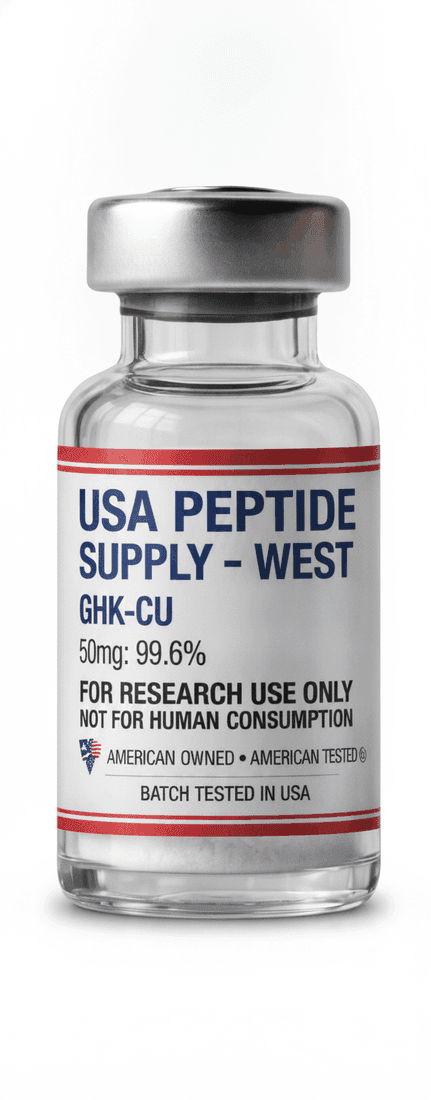
GHK-Cu research vial
Purity (HPLC)99.6%
Endotoxin<0.25 EU/mg
Molecular weight340.42 g/mol
CAS number89030-95-5
FormLyophilized powder · sealed sterile
Copper-binding tripeptide (Gly-His-Lys)

GHK-Cu

4.8 (3)

GHK-Cu is a naturally occurring tripeptide (Gly-His-Lys) complexed with copper(II). It is a cornerstone reference compound in extracellular-matrix gene-expression and dermal-fibroblast research.

Vial size
Subscribe & save−5%Auto-deliver. Pause / skip / cancel anytime.$46.55$49
1
Same-day dispatchSealed sterile≥99% HPLC
Discreet & trackedPlain, unmarked packaging
Same-day U.S. dispatchOrder by 2pm ET, ships today
Crypto & VenmoPay with crypto, save 7%
Real-person supportReply to any order email

The most-referenced copper-tripeptide standard in cutaneous research.

Research applications
Extracellular-matrix gene expressionCopper(II) coordination chemistryDermal-fibroblast modelsCollagen-synthesis assays

What it is

GHK-Cu is the copper(II) complex of the tripeptide glycyl-L-histidyl-L-lysine, a sequence found in human plasma with high affinity for copper ions. The complex is studied for its role in metal-ion transport and matrix-gene modulation.

In research settings it serves as a reference compound for extracellular-matrix gene-expression assays and dermal-fibroblast models. Supplied strictly for laboratory investigation.

Reconstitution & storage

  • Reconstitute with bacteriostatic water — add slowly down the vial wall and swirl gently; do not shake.
  • Store lyophilized vials at -20°C; once reconstituted keep at 2–8°C and use within 16 weeks.
  • Protect from light and avoid repeated freeze–thaw cycles.

Cited research applications

ECM gene-expression assays
Copper-coordination chemistry
Dermal-fibroblast research
Collagen/elastin synthesis models

Questions

Is this for human or animal use?
No. GHK-Cu is supplied strictly for in-vitro and pre-clinical laboratory research — not for human or animal consumption.
How is each lot prepared?
Every lot is produced to ≥99% HPLC purity with endotoxin screening, lyophilized, and sealed under nitrogen before same-day dispatch.

Compound identifiers & literature

Public database identifiers and a selection of peer-reviewed publications for GHK-Cu (Copper tripeptide-1), provided so researchers can verify this compound independently. Each entry links to the primary source.

PubChem CID71587328
CAS number89030-95-5
FormulaC14H23CuN6O4+
Molecular weight402.92 g/mol (PubChem CID 71587328, cation form)
UNII6BJQ43T1I9
DrugBankDB14683
SequenceGly-His-Lys (GHK); H-Gly-His-Lys-OH, complexed 1:1 with copper(II)

Selected literature

  1. [1]
    Pickart L, Margolina A (2018). Regenerative and Protective Actions of the GHK-Cu Peptide in the Light of the New Gene Data International Journal of Molecular Sciences, 19(7):1987.
    Narrative review compiling previously published gene-expression, cell-culture and animal-model reports on the GHK peptide and its copper complex; indexed in PubMed as a Review and containing no new experimental data.
  2. [2]
    Pickart L, Vasquez-Soltero JM, Margolina A (2015). GHK Peptide as a Natural Modulator of Multiple Cellular Pathways in Skin Regeneration BioMed Research International, 2015:648108.
    Narrative review of the reported literature on GHK in skin tissue, covering in vitro, animal and cosmetic-study reports of collagen synthesis, metalloproteinase modulation and gene expression; indexed in PubMed as a Review and containing no new experimental data.
  3. [3]
    Maquart FX, Pickart L, Laurent M, Gillery P, Monboisse JC, Borel JP (1988). Stimulation of collagen synthesis in fibroblast cultures by the tripeptide-copper complex glycyl-L-histidyl-L-lysine-Cu2+ FEBS Letters, 238(2):343-346.
    Measured collagen synthesis in cultured fibroblasts exposed to GHK-Cu. The authors report stimulation beginning between 10^-12 and 10^-11 M and maximal at 10^-9 M, and state the effect was independent of any change in cell number.
  4. [4]
    Measured matrix metalloproteinase-2 in conditioned media of cultured dermal fibroblasts treated with GHK-Cu, reporting increased MMP-2 protein and mRNA alongside increased secretion of the tissue inhibitors TIMP-1 and TIMP-2. The authors report the effect was reproduced by copper ions alone but not by the copper-free GHK peptide.
  5. [5]
    Fu SC, Cheuk YC, Chiu WY, Yung SH, Rolf CG, Chan KM (2015). Tripeptide-copper complex GHK-Cu (II) transiently improved healing outcome in a rat model of ACL reconstruction Journal of Orthopaedic Research, 33(7):1024-1033.
    Seventy-two rats underwent unilateral anterior cruciate ligament reconstruction and were randomized to saline or GHK-Cu (0.3 or 3 mg/ml) by weekly intra-articular injection for four weeks beginning at week 2. At 6 weeks the GHK-Cu groups showed a smaller side-to-side knee laxity difference and the 0.3 mg/ml group a higher graft stiffness; no significant difference was found at 12 weeks, and no significant difference in ultimate load, gait parameters or histological scores was found at any timepoint.

These references are provided for scientific context only. They describe published research on this compound and are not evidence of safety or efficacy, not an endorsement of any use, and not medical advice. This product is supplied for laboratory research use only — not for human or animal consumption.

Pairs well with

Related compounds

Shop all
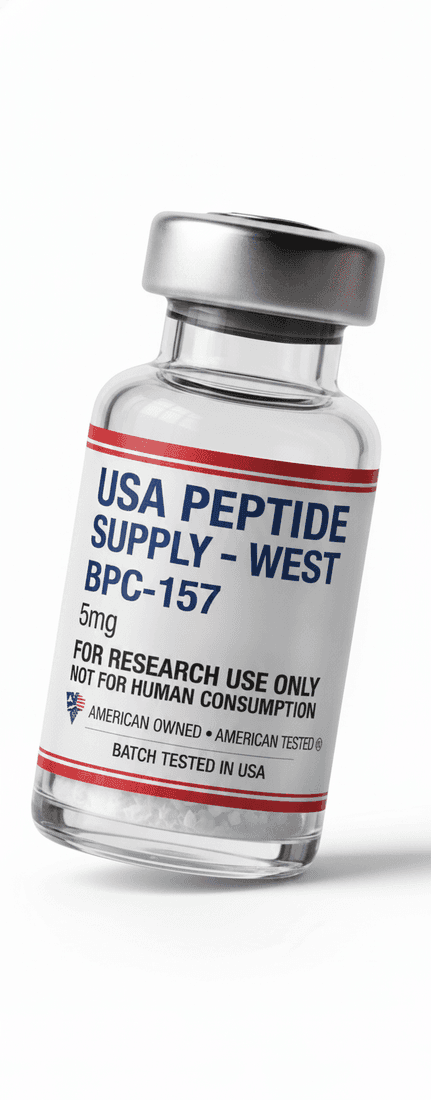
BPC-157 research vial
Bestseller
4.9 (3)BPC-157
Pentadecapeptide gastric-protein fragment
$49
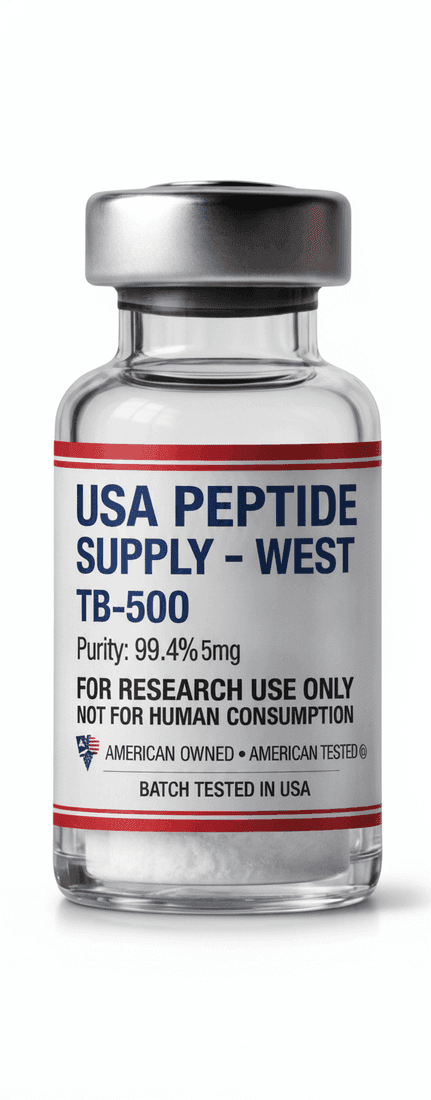
TB-500 research vial
4.7 (1)TB-500
Thymosin β-4 reference peptide
$85
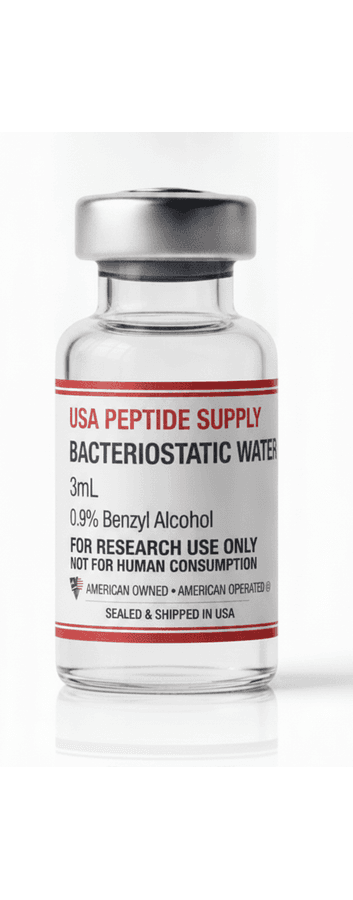
Bacteriostatic Water research vial
Bacteriostatic Water
0.9% benzyl alcohol in sterile water (USP-grade)
$12

For Research Use Only. Not for human or animal consumption. This product has not been evaluated by the Food and Drug Administration. Not intended to diagnose, treat, cure, or prevent any disease. GHK-Cu is sold strictly as a research chemical for in-vitro and pre-clinical laboratory investigation only.

Age verification

Are you 21 or older?

FOR RESEARCH USE ONLY · NOT FOR HUMAN CONSUMPTION

By entering you confirm you are at least 21 years old and that any compounds are acquired for in-vitro laboratory research only — never for human or animal use.

By entering you agree to our Terms of Service and Privacy Policy.