Tissue-repair research peptides
BPC-157, TB-500, the BPC-157 + TB-500 blend and Thymosin alpha-1, for tendon, cell-migration and immune research. Research use only.
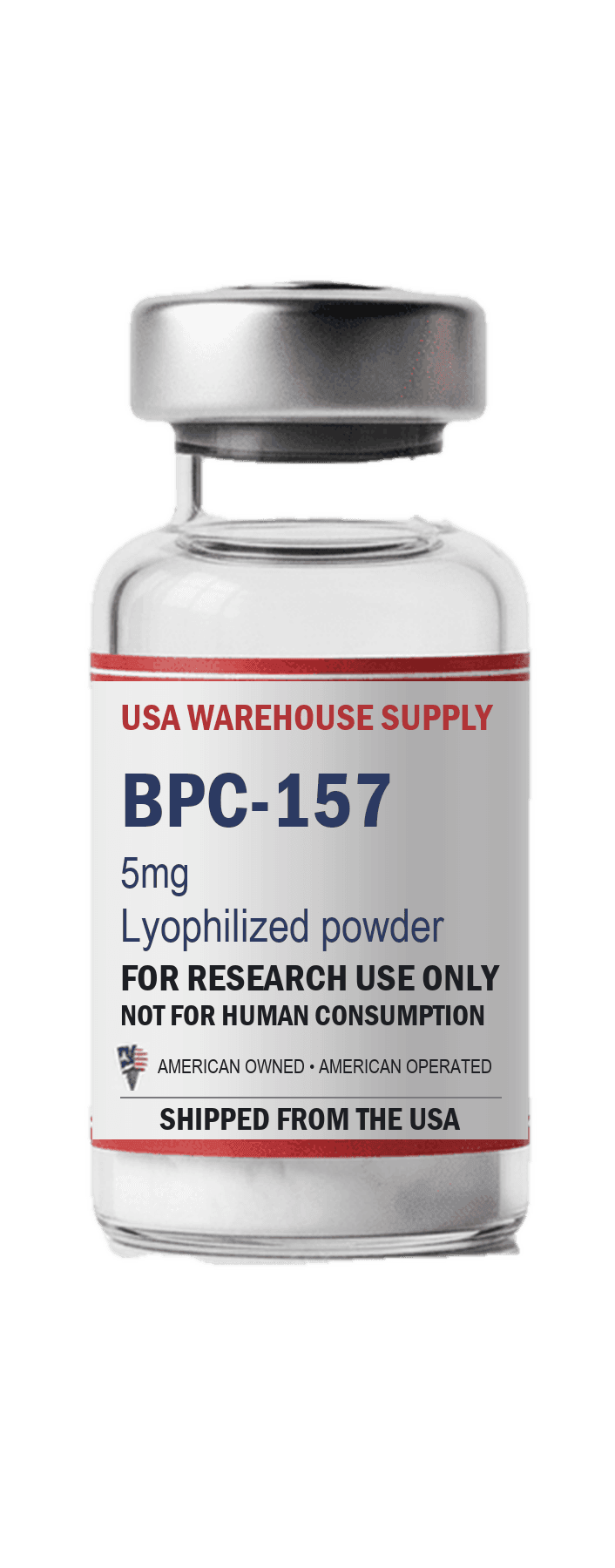
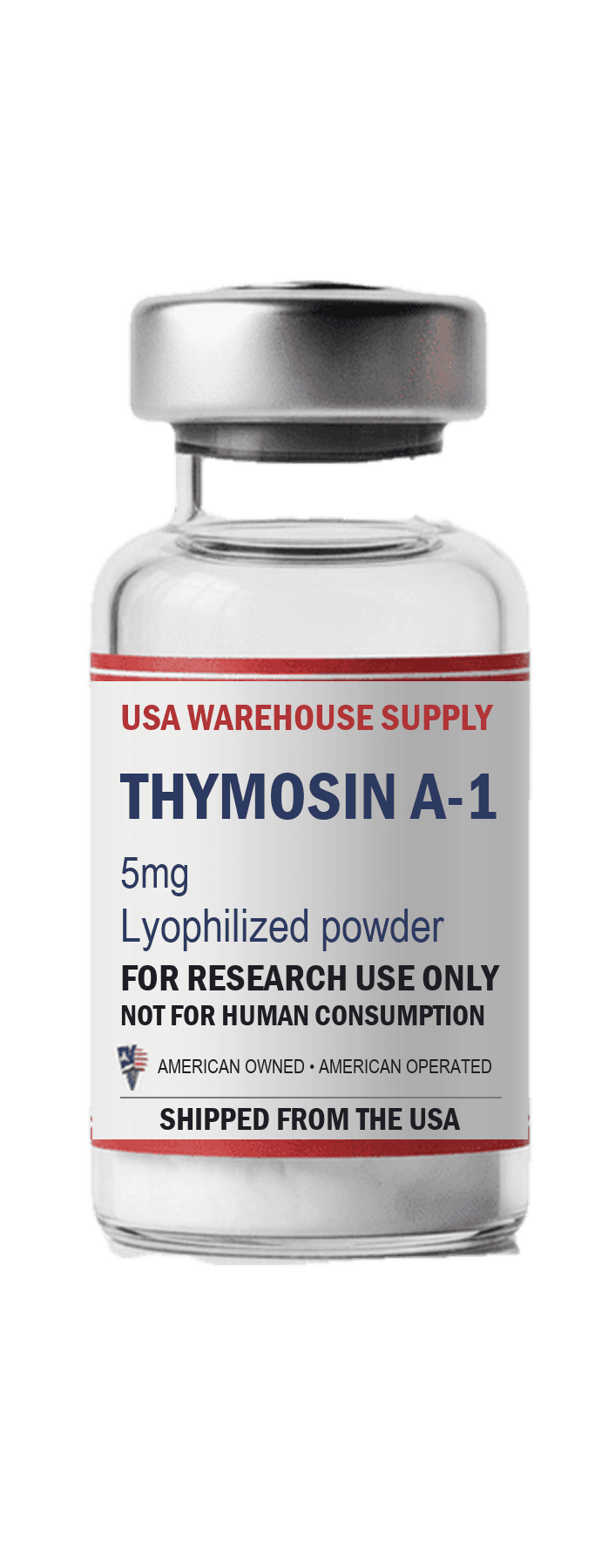
Tissue-repair research peptides are tool compounds used in pre-clinical studies of tendon healing, cell migration and angiogenesis. BPC-157 is a gastric pentadecapeptide studied in rat tendon explant and fibroblast-migration models. Material sold as TB-500 is a thymosin beta-4 sequence; thymosin beta-4 is the major actin-sequestering molecule in eukaryotic cells. The category also lists Thymosin alpha-1, a 28-amino-acid peptide originally isolated from the thymus and studied in immune-system research. For research use only.
Questions
What do tissue-repair research peptides study?
Tissue-repair research peptides are used in cell and animal models of tendon healing, cell migration and blood-vessel formation. BPC-157, a 15-amino-acid partial sequence of body protection compound, promoted tendon fibroblast outgrowth, survival and migration in rat tendon explant and cell studies. Material sold as TB-500 is a thymosin beta-4 sequence. Thymosin beta-4 is the major actin-sequestering molecule in eukaryotic cells, and its actin-binding motif is required for its angiogenic activity in endothelial cell and aortic sprouting assays.